Digital presence is the core of any business’s survival. Today, when businesses are emerging online at a whopping rate, the competition is becoming fierce. Everyone is competing for the same sweet spot on Google to gain visibility, generate sales, and boost revenue.
One of the major influencers in doing all the great things for small and big businesses is SEO, the short form of Search Engine Optimization. What it is and how businesses in the digital age generate revenue from SEO, we will discuss in this post.
Let’s get started.
What is Search Engine Optimization (SEO)?
Search Engine Optimization (SEO) is the process of polishing your website so search engines like Google sit up and take notice. Essentially, it’s about making your content easy for algorithms to read and relevant to what real people are typing into search engines.
By refining your site’s content, structure, and online reputation, you boost your ranking in search results. As a result, More organic (free) traffic and a business that’s much easier for customers to find in the digital arena.
Example of SEO in Digital Marketing: Case Scenario
Non-Optimized Website: Your website title is just “Home,” and your product description says “Good cases for phones.” When a customer searches for “plastic-free iPhone case,” Google doesn’t see a strong match. You end up buried on page 10.
SEO Optimized Website: You update your page title to “Sustainable & Compostable iPhone Cases” and write a blog post about “How to reduce plastic waste with your smartphone.” You also make sure your site loads fast on mobile devices.
The Result: Google’s crawlers read your new, specific keywords and see that users stay on your website because it’s fast and helpful. The next time that customer searches for an eco-friendly case, your shop appears at the top of the results. You win a sale over a massive competitor simply because you made it easier for the search engine to connect your product to the user’s intent.
Core Components of Search Engine Optimization Services
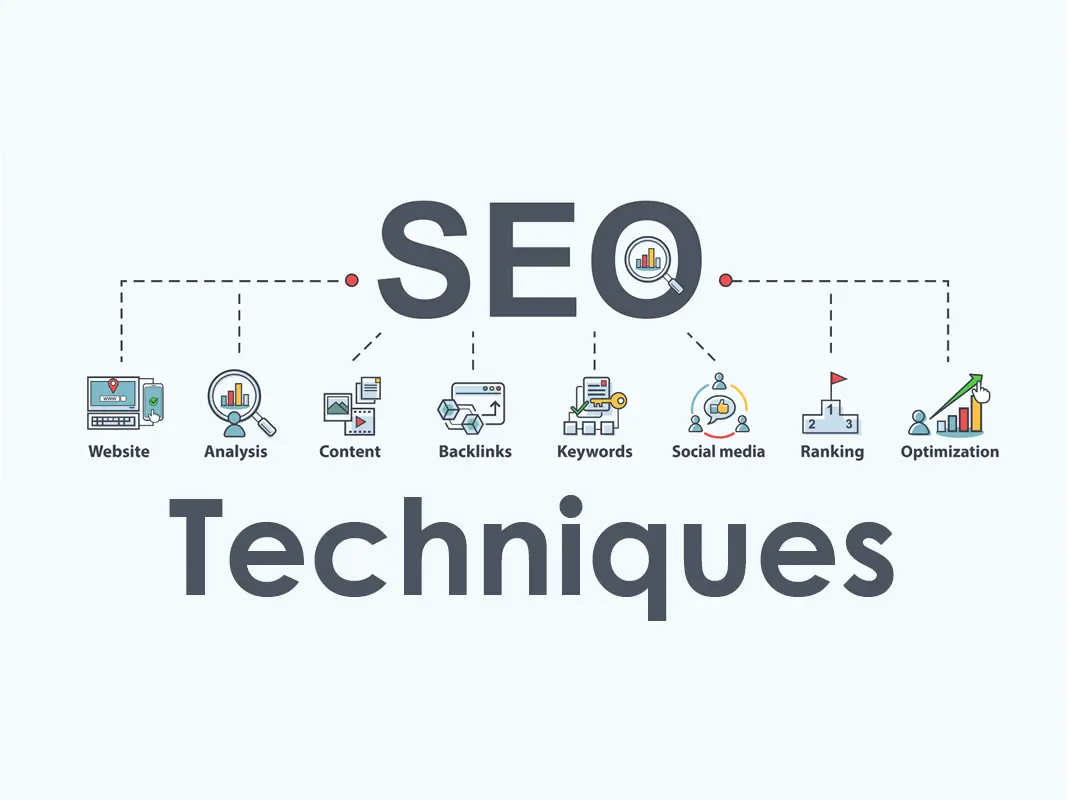
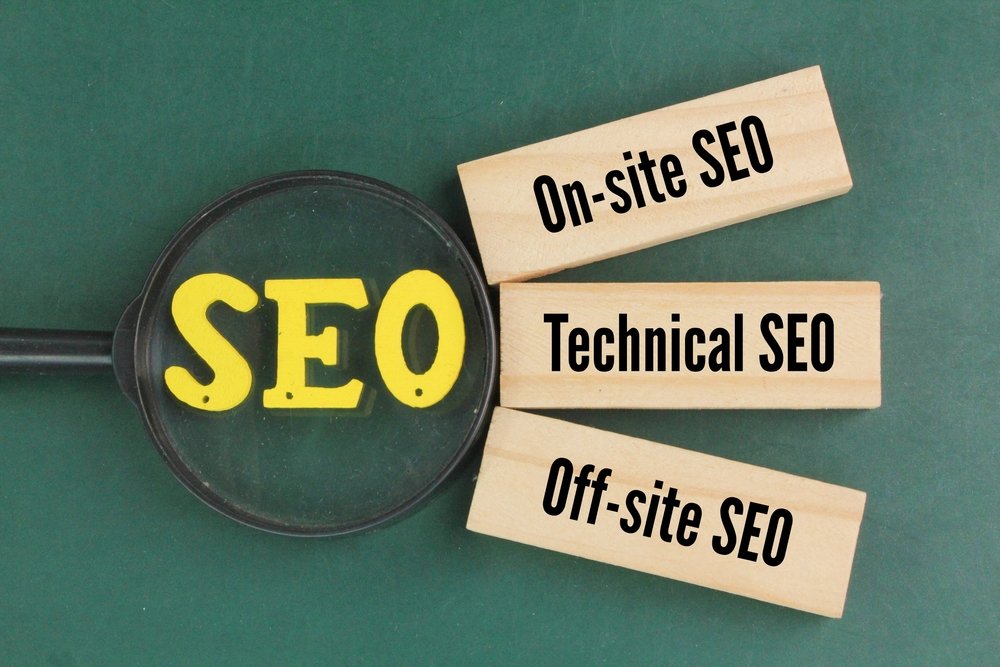
Search Engine Optimization is not just a single entity, but rather a group of methodologies that help you rank your website in the top position. Here are some of the key components of SEO services.
Keyword Research: The foundation of a good SEO strategy involves keyword research and optimization. The better the keyword research and the more focused it is on the user’s intent, the better the chances of gaining visibility in the top position.
On-Page Optimization: The process of optimizing on-site elements such as meta title, meta description, and content structure.
Content Creation: Content is the king, and when it comes to ranking primary and secondary keywords, content marketing and writing play a pivotal role.
Technical Search Engine Optimization: The backend of your website needs improvement, including loading speed, sitemaps, schema markups, crawlability, mobile responsiveness, and a clean silo structure. Google prioritizes ranking websites and considers it a major ranking factor for websites with technical issues in place.
Off‑Page SEO (Backlinks): One of the key SEO services also includes off-page SEO, which typically constitutes creating backlinks from high-authority relevant websites. These backlinks are considered votes of trust to help Google rank your website.
User Experience (UX): Websites that are easy to navigate, explore, and browse are normally considered a ranking factor. The pivotal part is played by a UI/UX designer who makes sure that a clean and user-friendly interface is provided, regardless of what device is being used.
How SEO Services Generate Revenue: Way Beyond Traffic
SEO is not only about driving traffic and ranking at the top of search results. It is just another way to make your customers stick to your brand, create authority, and keep looking for more. How SEO services generate revenue and help small businesses and startups to gain a competitive edge, let’s talk about it.
Means to Acquiring Customers
Search engine optimization isn’t just about driving traffic. It’s a strategic pathway to acquiring high‑intent customers. With the right content and SEO strategy, you can guide your audience from the Top of the Funnel (ToFU) to the Middle (MoFU), steadily nurturing them toward the Bottom of the Funnel (BoFU). Once they reach the BoFU stage, targeted content and high‑conversion keywords help turn interest into action, boosting sales and accelerating revenue growth.
Creating Long-Lasting Relations
Content and SEO, when strategized properly, can lead to long-lasting relationships with customers. Content creation and distribution play a key role in nurturing customers, building long-term relationships, creating authority, and tailoring your marketing strategies according to customer behavior. All of these efforts lead to driving revenue in the future and converting one-time buyers into repeat customers.
Rank and Beat Whomsoever You Want to
SEO is all about making the right moves and adopting the right strategies. Even if you are starting a new website, you can gain a position in the top spot only if the SEO is performed as per Google’s guidelines.
Whether there are hundreds of brands competing for multiple keywords and taking the spot, or a couple of websites with almost every spot in their name, you can rank and outdo them with SEO. However, you can also create authority in the niche with SEO and content that play side by side in giving you the competitive edge.
SEO is a Long-Term Investment
SEO takes time. Startups and small businesses are often fed up when the results are not showing up in a short period. Contrary to paid marketing, SEO is a long-term investment that offers ROI over and over in the future.
However, keep in mind that SEO needs tweaking from time to time. Google rolls out updates on a short interval, and if the website does not meet the required criteria, your website might get penalized and lose all the rankings. SEO is not about set and forget, but rather it requires regular maintenance.
Reputation Management
SEO is about visibility and presence. The more you invest your time, money, and effort, the better the results will be. SEO boosts your reputation and credibility if you are doing it the right way.
For instance, if you are updating your blogs regularly, optimizing on-page, creating backlinks, and fixing technical SEO, your chances of getting recognized are quite high. Moreover, taking care of Google My Business and Reputation Management creates trust among customers, which further boosts your brand’s credibility.
SEO vs Paid Ads: Which Drives Better ROI for Your Business?
Both SEO and paid ads can drive results, but they serve different purposes in your growth strategy. SEO delivers sustainable, long‑term ROI, while paid ads offer immediate visibility and quick wins. The most effective approach often blends both, using paid ads for instant traction and SEO to build lasting, cost‑efficient customer acquisition.
Let’s break it down to help you understand whether SEO or paid ads are suitable for your business.
| Factor | Search Engine Optimization (SEO) | Paid Ads |
| Cost Structure | Requires ongoing investment in content, optimization, and technical improvements. No cost per click. | You pay for every click or impression. Costs rise with competition and bidding. |
| Time to Get Results | Slow but steady. Takes 3–6 months to see strong traction. | Immediate visibility and traffic as soon as campaigns go live. |
| Long‑Term ROI | High long‑term ROI because rankings can sustain traffic without paying per click. | ROI depends on continuous ad spend; traffic stops when you stop paying. |
| Scalability | Scales organically as authority grows, compounding returns over time. | Scales quickly but becomes expensive as you increase the budget or target competitive keywords. |
| Trust & Credibility | Organic results are perceived as more trustworthy by users. | Ads are clearly labeled and may be skipped by users who prefer organic results. |
| Best For | Long‑term growth, brand authority, sustainable traffic, and cost‑efficient acquisition. | Fast results, product launches, promotions, and competitive niches. |
What’s Included in a Good SEO Service Package?
Search Engine Optimization is not just about a single methodology that, when implemented, drives results. It consists of several categories, which, when planned strategically, can drive an insane amount of traffic, sales, and revenue. Here’s what’s normally included in a Good SEO service package.
Keyword Research & Strategy
The backbone of the whole SEO process is keyword research. With the evolution of AI overviews, keyword research has become more inclined towards users’ intent, instead of exact matches. Here’s what the keyword research and strategy package includes:
- Competitor Benchmarking: Analysis of competitor keyword rankings and content gaps.
- Search Intent Mapping: Classification of terms by intent (Informational, Navigational, Commercial, Transactional).
- Metric Analysis: Data on Search Volume, Keyword Difficulty (KD), and CPC.
- Topic Clustering: Grouping related keywords into semantic themes to build topical authority.
- Priority Keyword List: Selection of “Primary” and “Secondary” targets for core pages.
- On-Page Mapping: Assigning specific keywords to specific URLs to prevent cannibalization.
On-Page Optimization
On-page optimization is the next core part of SEO that needs tweaking on a regular basis. It focuses on refining individual pages so they better align with search intent. Typically includes optimizing title tags and meta descriptions, structuring headers, improving internal linking, cleaning up URLs, enhancing image attributes, and rewriting content to boost clarity, relevance, and overall user experience.
On-page SEO/On-page Optimization includes:
- Meta Title & Meta Description: Writing catchy meta titles and meta descriptions for each page and post optimized with keywords to let search engines know what the page is about. The description is meant to catch visitors’ attention.
- Header Tags: Structuring the pages and posts in a way that offers readers a better way to skim content and improve readability.
- Image alt-text optimization: Writing descriptive, keyword-relevant descriptions for images to help search engines understand visual content
- Internal Linking Strategy: Hyperlinking or interlinking is the way to guide users to another page or post that is related to the current page or post. The purpose is to pass the juice from one page to another.
- Content Optimization: The technique to update and refine website content with primary and secondary keywords to help search engines identify target keywords.
- XML Sitemap and robots.txt Optimization: Configuring essential files to guide search engine crawlers on which pages to index and which to ignore for better site efficiency.
Technical Search Engine Optimization
Technical SEO is also included in the SEO services that help websites perform optimally. Without addressing technical SEO issues on the website, Google may not place the website at the top ranking. Here are some of the things included in the technical SEO services.
Crawling: Ensuring search engines can access your site’s pages.
Indexing: Making sure pages are allowed and optimized to be stored in search engine indexes.
Site Architecture: Structuring pages logically so crawlers and users can navigate easily.
URL Structure: Using clean, descriptive URLs that help search engines understand content.
XML Sitemaps: Providing search engines with a roadmap of important pages.
Robots.txt: Controlling which parts of your site crawlers can or cannot access.
Page Speed: Improving load times to enhance user experience and rankings.
Core Web Vitals: Meeting Google’s performance metrics like LCP, INP, and CLS.
Structured Data /Schema: Adding markup to help search engines interpret your content
Content Creation and Marketing
When it comes to Search Engine Optimization, content always holds a distinct position. Thin or duplicate content leads to a heavy penalty from Google. Here are some of the things included in the content creation and marketing.
Content Strategy: Mapping out topics, formats, and publishing schedules.
SEO‑Optimized Blog Posts: Writing content built to rank and attract organic traffic.
Content Refreshing: Updating old posts to regain or improve rankings.
Competitor Content Analysis: Studying what competitors rank for and outperforming them.
Topical Clusters / Pillar Pages: Creating interconnected content to build authority.
Link Building
When it comes to off-page SEO, link building is considered to be the most viable method to gain some authority, spread awareness on relevant sites, and improve ranking. If you are hiring a digital marketing agency offering SEO services, the package may include the following if you go for off-page SEO.
Backlink Strategy: Defines the plan for earning high‑quality, relevant links that strengthen your site’s authority.
Quality Link Acquisition: Focuses on securing real, authoritative backlinks through ethical outreach and trusted websites.
Content for Link Building: Creates valuable content assets that naturally attract links from reputable sources.
Outreach & Relationship Building: Engages with publishers and site owners to secure long‑term, high‑value link opportunities.
Quality Control & Reporting: Ensures every link is safe, relevant, and fully documented for complete transparency.
Reporting and Insights
Last but not least, the SEO agency will also provide transparent performance tracking with clear metrics, actionable insights, and ongoing recommendations for continuous improvement. Here are some of the things you will be directly reported on:
- Monthly reports covering traffic, rankings, and conversions
- Breakdown of completed tasks and upcoming priorities
- Insights explaining what’s working and what needs adjustment
- Competitor performance comparisons to guide strategy
When SEO Services Start Paying Off?
SEO typically shows visible improvements within 3–6 months, while stronger traffic growth, leads, and revenue usually develop over 6–12 months.
Early stages focus on fixing technical issues and improving content, and long‑term gains come as your site builds authority and earns search engine trust.
Here is a timeline to help you figure out when SEO starts paying off to businesses.
Months 1–3: Comprehensive audits, technical fixes, keyword research, and content strategy development.
Months 4–6: Early ranking improvements and the first signs of increased traffic or leads.
Months 6–12: Significant growth in organic visibility, conversions, and revenue.
Long term: SEO compounds over time, delivering sustained and increasing value.
Actual results vary based on factors like competition, website age, and technical health. Newer sites and highly competitive industries generally require more time to see significant improvements.
Summing Up
Search Engine Optimization services are a long-term investment that helps your website become more visible, attract the right audience, and generate steady growth over time. When done well, they improve both search rankings and overall business performance by combining strategy, content, technical fixes, and ongoing optimization.